How Ninh Bình’s Cultural Setting Shapes Casino Language
Casino culture in Ninh Bình becomes clearer when you read gambling terms alongside the region’s heritage, visitor context and the source using them.
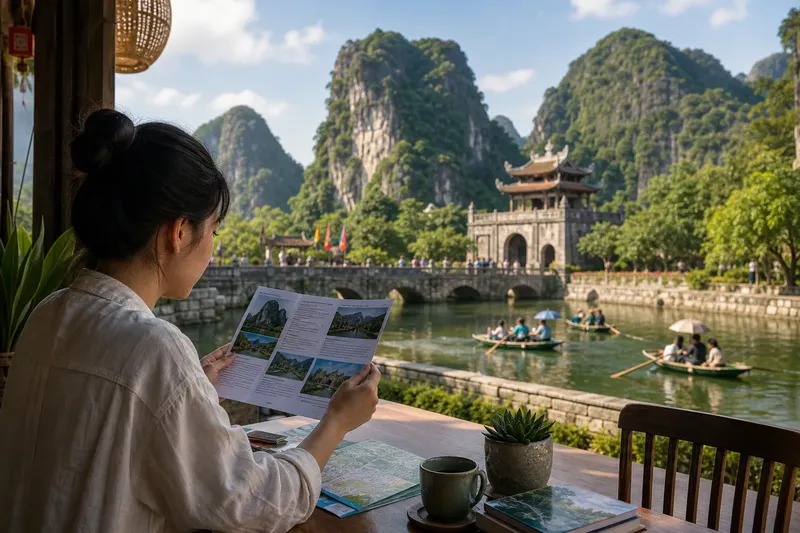
A visitor pauses over a leaflet in a Ninh Bình café, trying to work out whether “casino culture” describes a local custom, a travel topic or simply a search phrase. Casino culture in Ninh Bình is best approached through the region’s cultural setting and the language used to describe gambling, without treating a label as proof of a local tradition or venue.
Ninh Bình is widely associated with limestone scenery, historic sites and religious heritage. Those settings may frame visitor information, but they do not automatically explain how gambling fits into local life. To make a careful account, separate established descriptions of place from the claims and vocabulary a particular source adds.
How does Ninh Bình’s cultural setting shape the subject?
Regional context can help explain why a page mentions Ninh Bình: it may be aimed at visitors, discuss leisure in a travel setting or use the province as a geographical reference. But cultural context is not a shortcut to claims about residents’ habits or attitudes. A landscape photograph, a heritage itinerary and a casino-related phrase each do different work.
Keep the subjects distinct. A page about temples or historic places does not, by itself, describe gambling. A visitor guide may mention entertainment without documenting a local gambling scene. If a source makes a cultural claim, look for the people, practices and place it actually identifies.
What do gambling terms mean in visitor information?
Words such as “casino”, “gaming”, “gambling” and “entertainment” can signal different things. “Casino” usually names a type of venue; “gambling” describes wagering; “gaming” may be broader or used as promotional language. A page that uses one term loosely should not be paraphrased as if it had established another.
Notice where a term appears and who uses it. A headline may be written to attract attention, while the body text may be a travel article, an advert or a discussion of regulation. Attribute distinctive language to its source instead of making it sound like a neutral description of Ninh Bình.
How can you assess a source without overreading it?
Use the checks below to decide what a source supports. Each observation points to a narrower or broader wording choice, rather than filling gaps with assumptions.
- Named location: Check whether the source gives a town, site or venue, rather than only “Ninh Bình”. If it gives only the province, keep your description at provincial scale; if it names a more precise place, use that detail only as the source presents it.
- Term used: Check whether the source says “casino”, “gambling”, “gaming” or a broader word such as “entertainment”. If it uses a specific term, preserve it with attribution; if the wording is broad, do not sharpen it into a claim about gambling.
- Page purpose: Check whether the page is promotion, visitor information, reporting or commentary. If it sells or promotes something, identify the language as promotional; if it reports or comments, describe that purpose and attribute its claims.
- Local cultural detail: Check whether the page identifies a local practice, event or speaker. If it does, describe that particular detail; if it does not, avoid presenting the page as evidence of a local custom.
- People quoted: Check who is speaking and whether the source explains their connection to the subject. If a view is attributed to a named or clearly described perspective, report it as that perspective; if not, leave residents’ opinions unstated.
- Relationship between topics: Check whether the source explains how gambling relates to the place or its cultural setting. If it supplies a clear connection, describe that link narrowly; if it merely places the terms together, say that the relationship is not explained.
How should you handle a headline that makes a cultural claim?
Compare the headline with the page body, captions and any named sources. If the headline calls something “local culture” but the text discusses only travel or uses general promotional wording, describe the mismatch rather than repeating the headline as fact.
Say you are editing an invented visitor page headed “Casino culture in Ninh Bình”. Its body describes a trip to a heritage site, uses “gaming” in a general entertainment paragraph, names no casino and quotes no residents. You record those four details, then decide not to describe gambling as a local custom: the page supplies travel context and broad wording, but no identified local practice or viewpoint. A precise sentence would be: “The visitor page uses a casino-related headline, but its text discusses travel and general entertainment without identifying a local venue or cultural practice.”
It is not worth inferring public attitudes from a search snippet, repeated headline or anonymous comment. Those fragments can show how a phrase is being used, but they do not establish who is represented or what a community thinks.
Which questions help interpret casino language?
Does the phrase “casino culture” establish a local tradition?
No. The phrase may be a headline, promotional label or broad topic description. Look for a specific practice, setting or attributed speaker before describing it as part of local culture.
Can a heritage page explain local gambling attitudes?
Only if it actually discusses those attitudes and identifies whose perspective it reports. A page about heritage or tourism alone cannot stand in for a community account.
What if a page uses “gaming” instead of “gambling”?
Keep the source’s wording and note its context, since “gaming” can be broader or promotional. Do not rewrite it as a specific gambling claim unless the page supports that meaning.
How should an unclear cultural connection be described?
State which terms appear and what the page does explain. Then identify the missing detail, such as a named practice or attributed viewpoint, rather than supplying an assumed connection.
How can you write about casino culture in Ninh Bình precisely?
Match each sentence to the evidence in hand. “A visitor page uses a casino-related headline” describes its framing. “The page discusses gaming as entertainment” reports its wording. A claim about a local venue, custom or public attitude needs a source that addresses that specific subject.
Keep the cultural setting visible without making it do too much. Ninh Bình’s heritage and visitor context may explain why a travel source refers to the region, but they do not independently establish a connection to gambling. Distinguishing those layers gives readers a clearer account of what the language says and what remains unspecified.